Editorial section · Approximate reading time 8 minutes
Report on the 2030 carbon footprint goals and renewable energy
Global warming and our responsibility
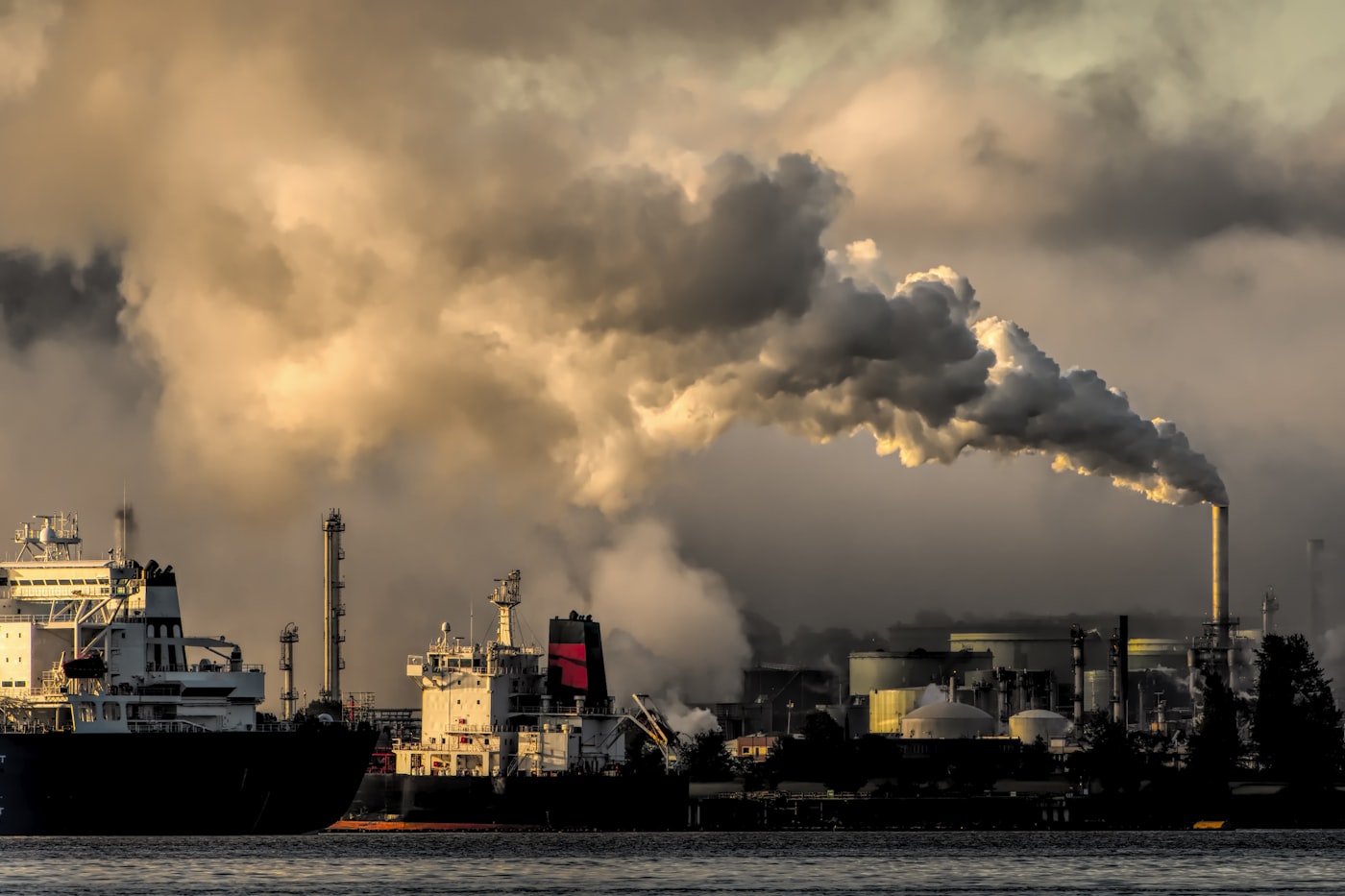
The planet is going through an unprecedented period. Average temperatures have steadily risen over recent decades, and Spain, in the south of Europe, feels these changes with particular intensity. Longer heatwaves, declining water reserves in basins such as the Guadalquivir and growing desertification in parts of the south-east are clear signs of global warming. Against this backdrop, the Development of sustainable policies stops being optional and becomes a shared necessity. The Protection of ecosystems, Mediterranean forests and endemic biodiversity is a heritage we must preserve for the next generations. Thinking about the Future means acting today, with responsibility, patience and joint work between administrations, communities and citizens.
Spain's role in green energy
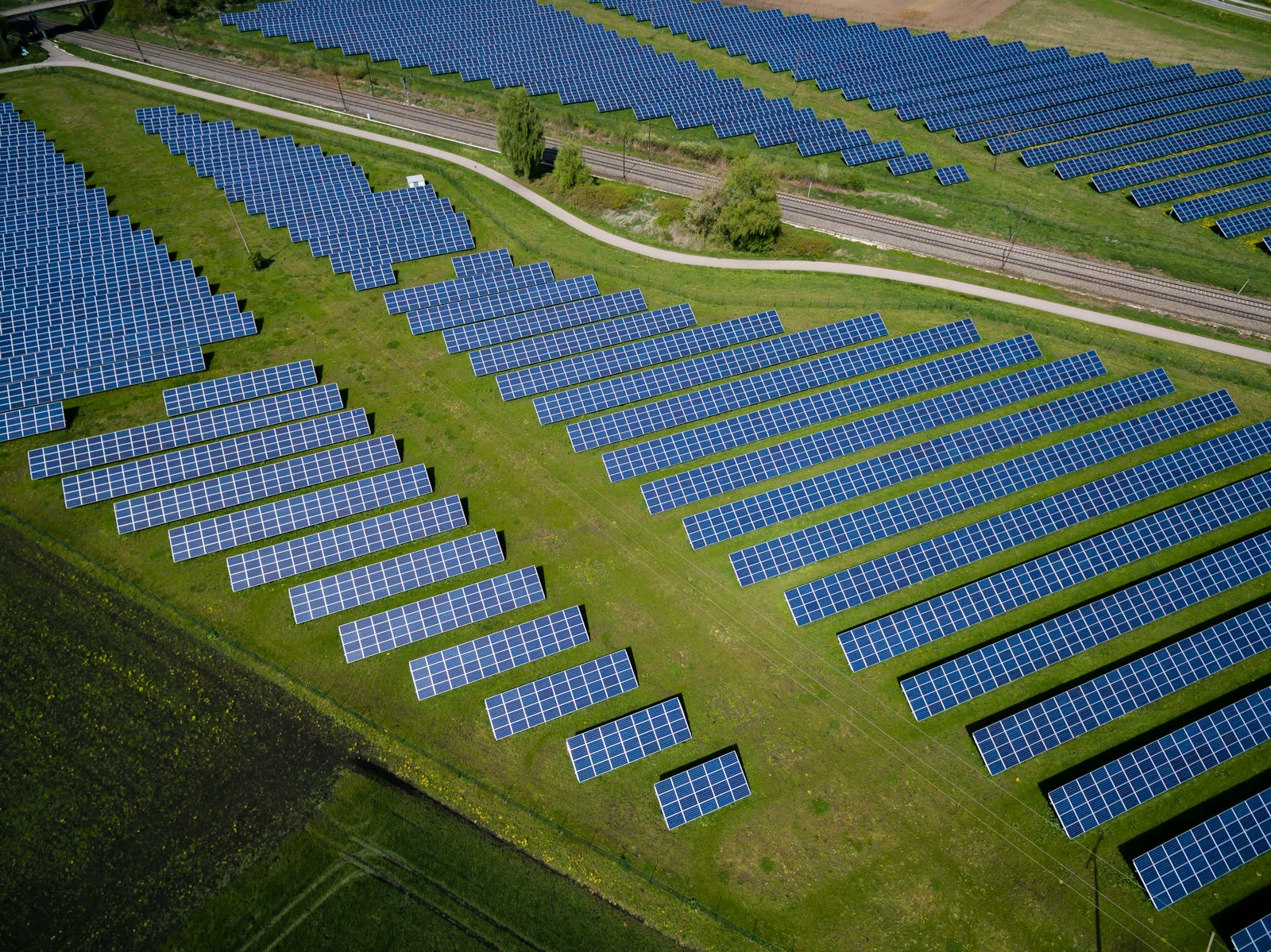
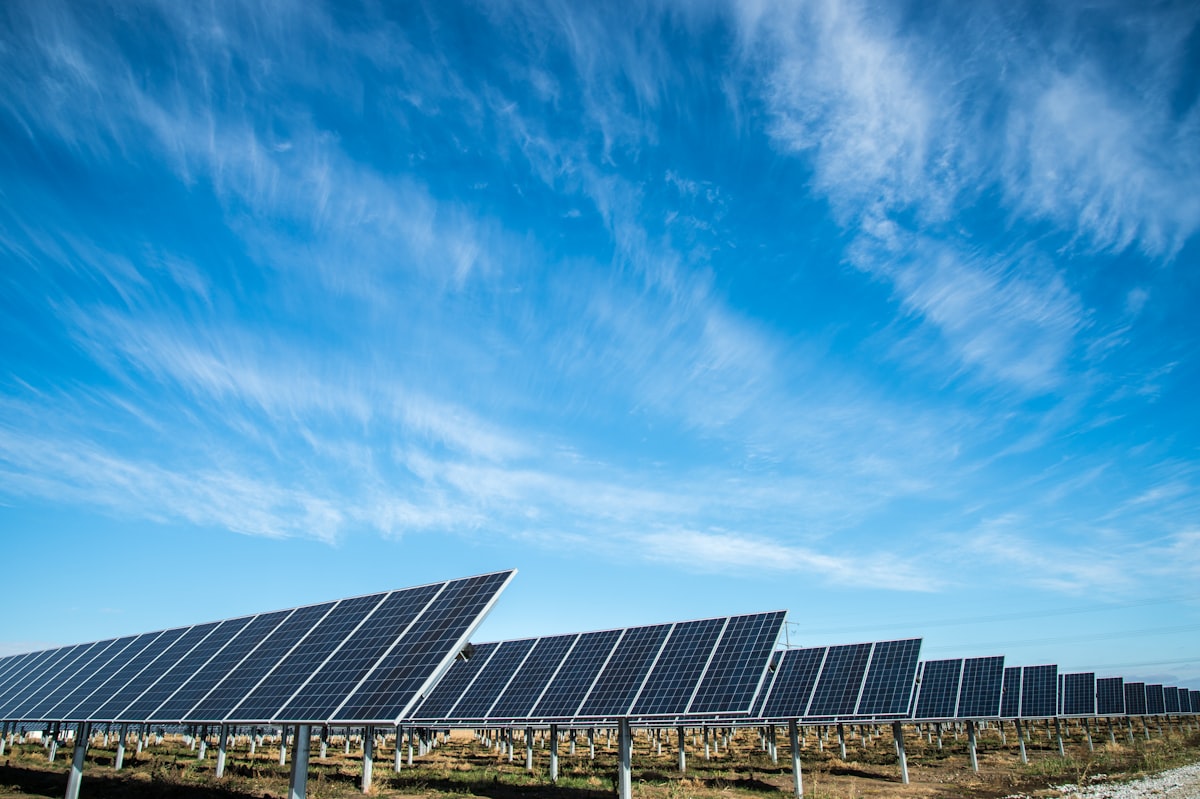
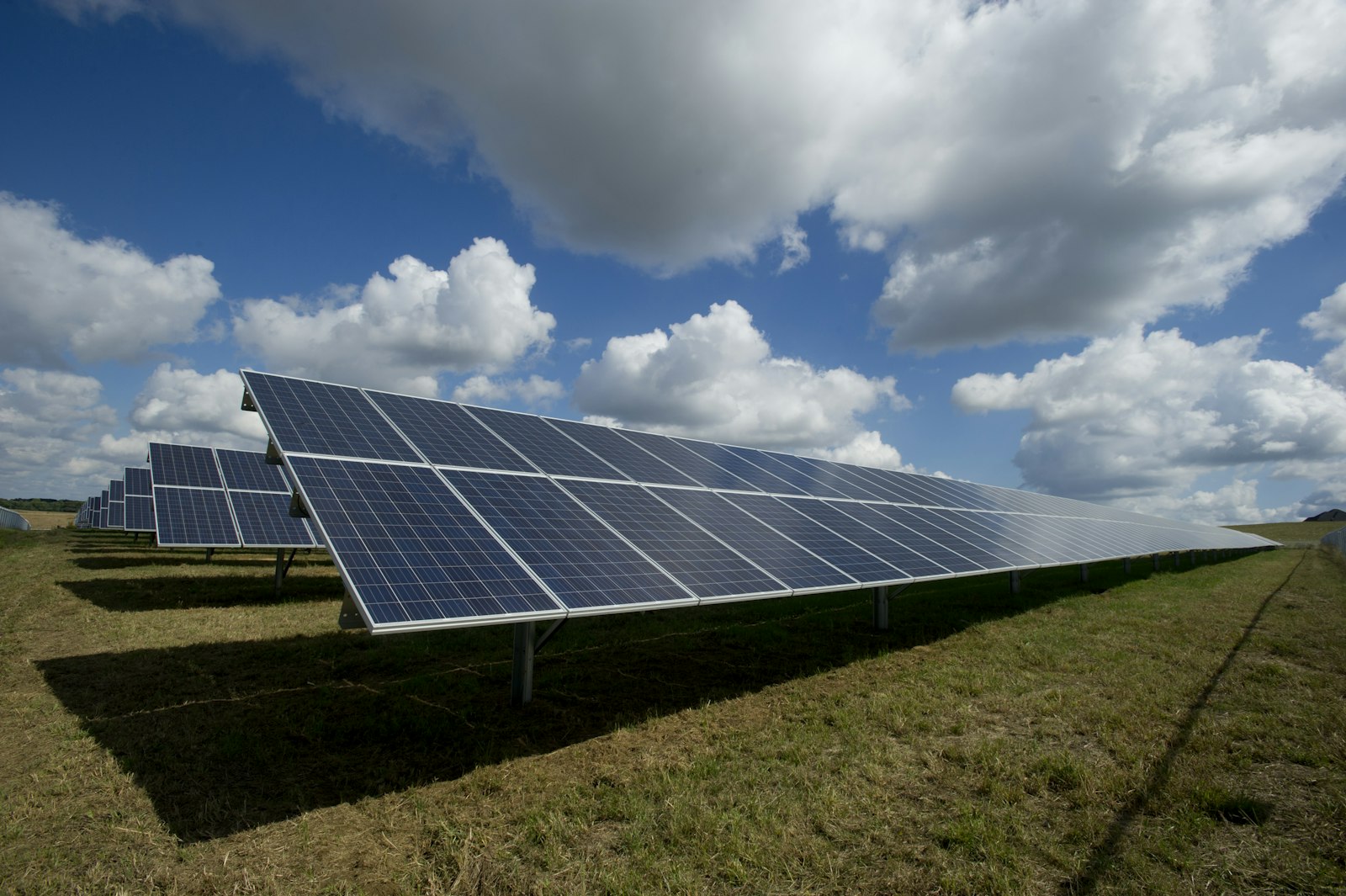
Spain enjoys exceptional natural conditions to support the continent's energy transition. With more than 2,500 hours of sunshine per year in many regions and steady winds in areas such as Galicia, Castilla-La Mancha and Andalusia, the country has become one of the largest renewable electricity producers in the European Union. The 2030 roadmap aims for more than 74% of electricity generation to come from clean sources, mainly photovoltaic solar, onshore wind and hydropower. Spanish energy companies, together with local cooperatives and community projects, are driving a more distributed, open model. The Development of the grid, the modernisation of substations and the integration of storage through next-generation batteries are key pieces to ensure stable supply. The goal is clear: to cut CO₂ emissions and move towards the climate neutrality planned for 2050, actively contributing to the Protection of the global climate.
The future of sustainable agriculture
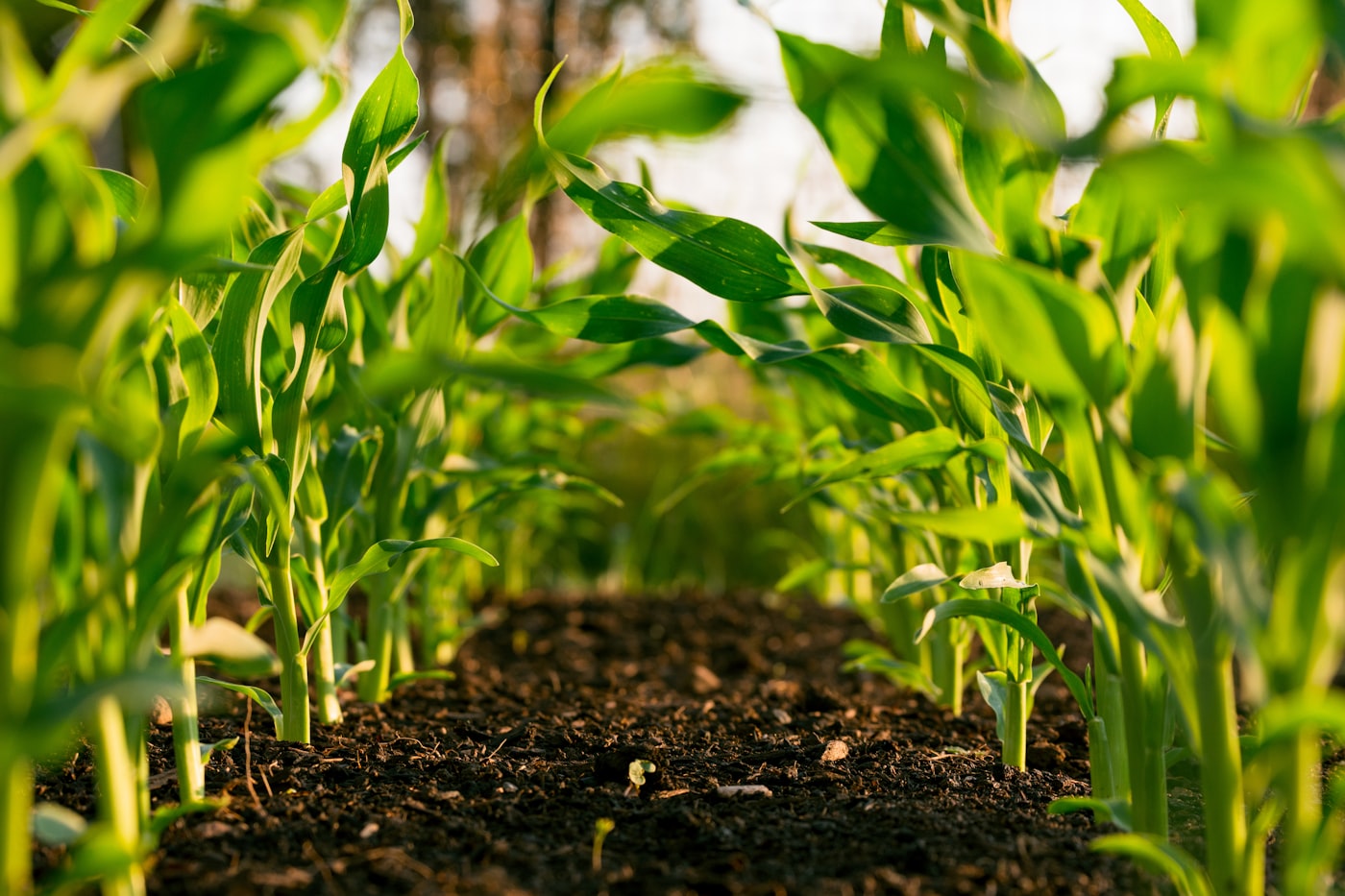
Agriculture is one of the fastest-evolving sectors. Spain, with its long-standing farming tradition, is adopting precision technologies that allow a more efficient use of water, soils and energy. Moisture sensors, smart irrigation systems, drones for crop monitoring and regenerative practices that restore organic matter in the soil are already a reality on farms in Castilla y León, Murcia or Aragón. This approach, known as Agriculture 5.0, combines ancestral knowledge with digital innovation. The Protection of the rural environment, the circular economy and the reduction of environmental impact are the pillars of a more resilient and fair food Future. The Development of the countryside is also the development of the country, a calm commitment to territorial cohesion and a more balanced relationship with the land.
Editorial text prepared by the Fundoranvio team in collaboration with independent ecologists, agricultural engineers and environmental educators.